 ◆
◆Celestial Drift
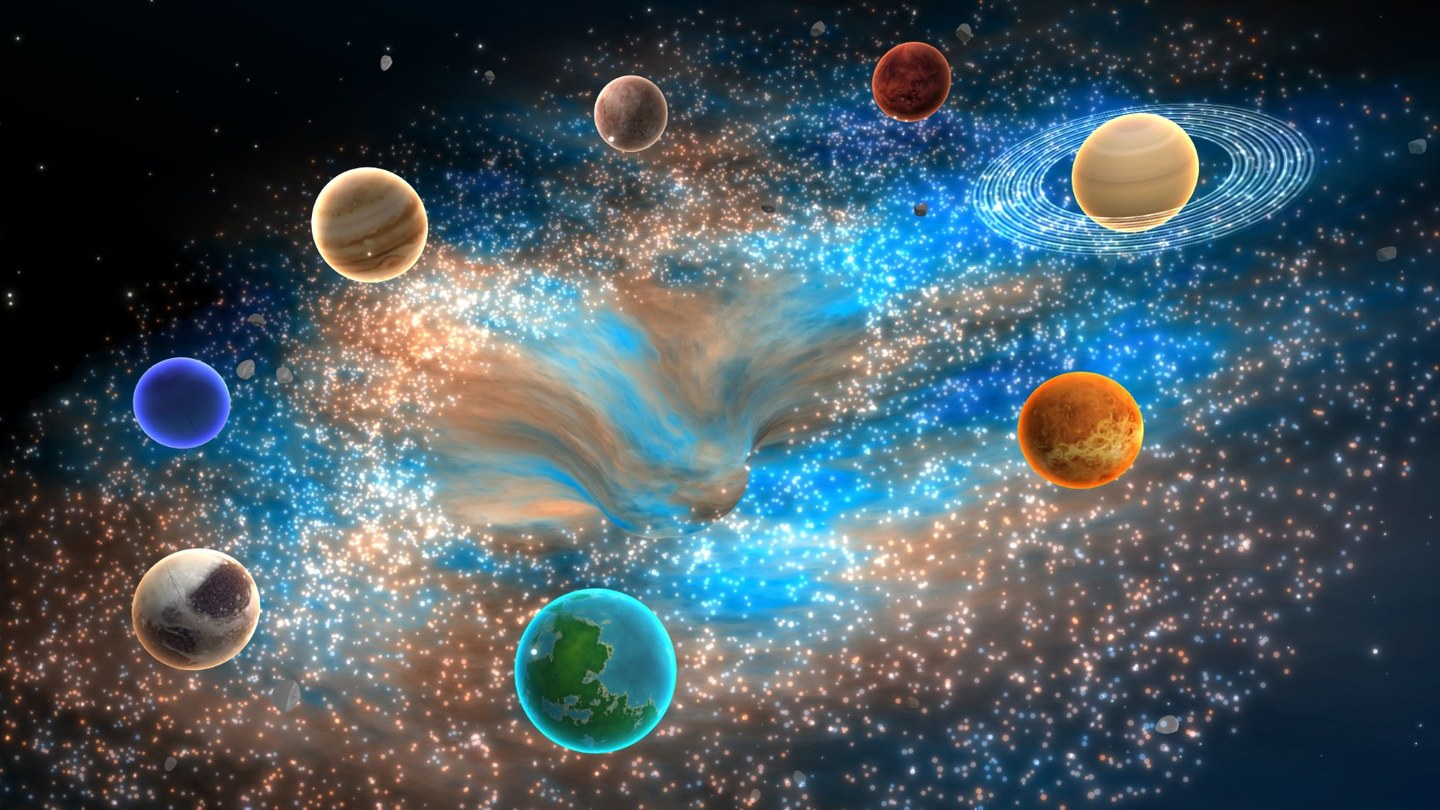
A drifting starscape of planets adrift in a glowing nebula, opening into a vast cosmic vista.
From a single planet to connections between galaxies.
Astronomical models make spatial relationships easier to explore. Start with positions in the solar system, compare stellar sizes, then widen the view to galaxies and the cosmic web. Each work may focus on distance, size or overall structure; their on-screen dimensions do not share a single scale.
This collection includes scientific visualizations and artistic space scenes. Use the former to compare structures and the latter to explore space and light. Check each work’s notes on scale, speed and visual effects.
◆A drifting starscape of planets adrift in a glowing nebula, opening into a vast cosmic vista.
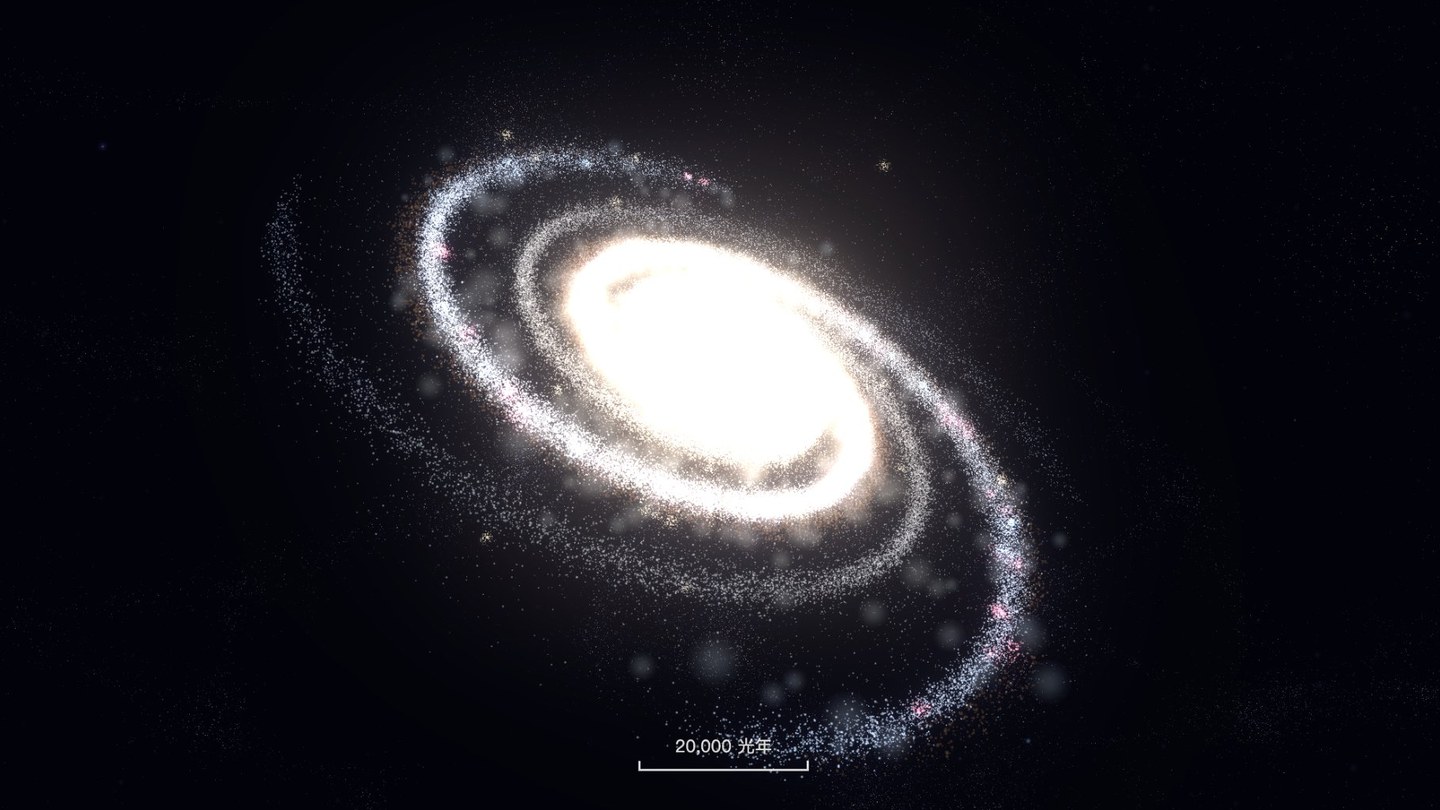 ◆
◆A seamless nine-order-of-magnitude zoom from cosmic-web filaments to galaxies, with a solar system hidden in the spiral arm (VR-ready).
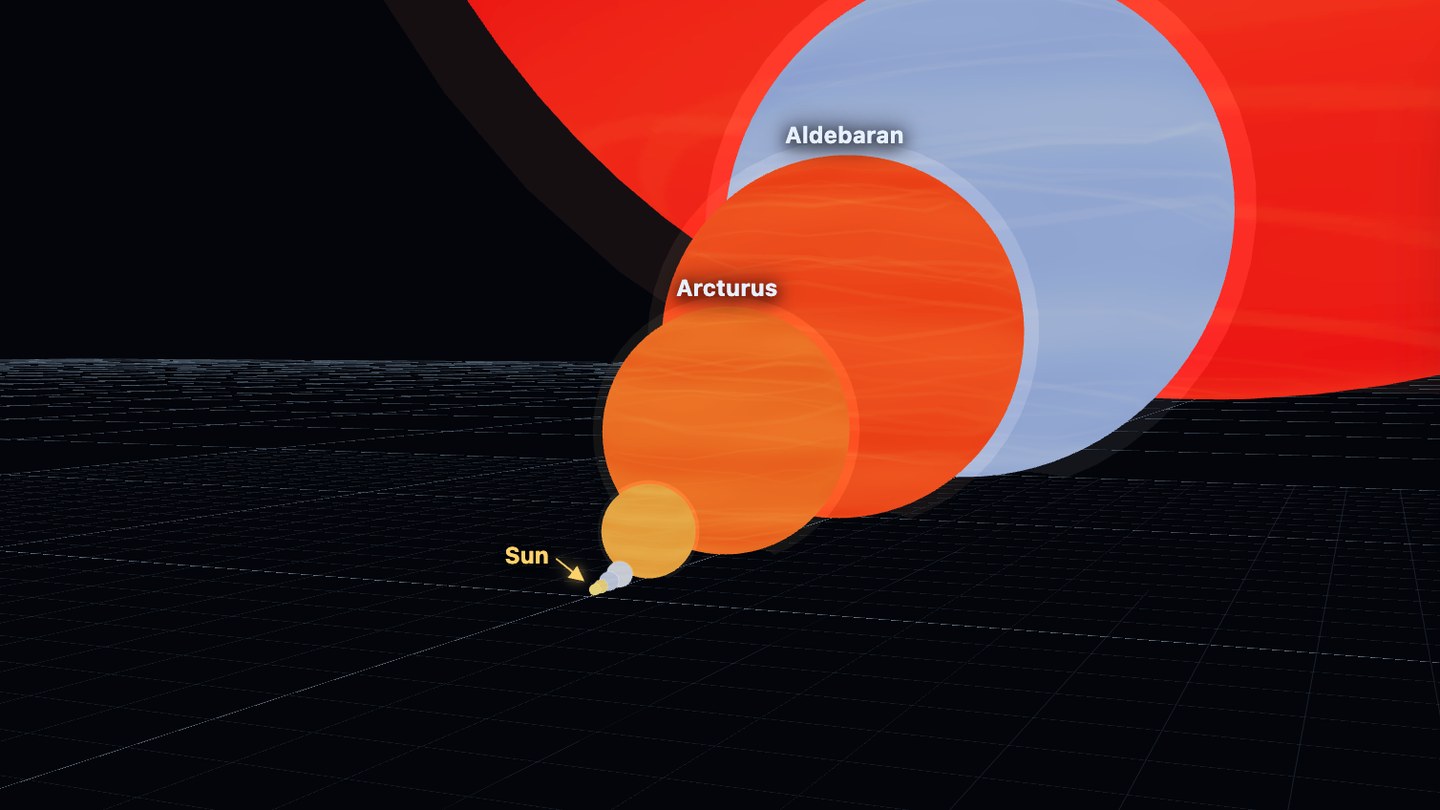 ◆
◆From the Moon and Earth up to UY Scuti and Stephenson 2-18: planets and stars lined up at true radii to reveal cosmic scale.
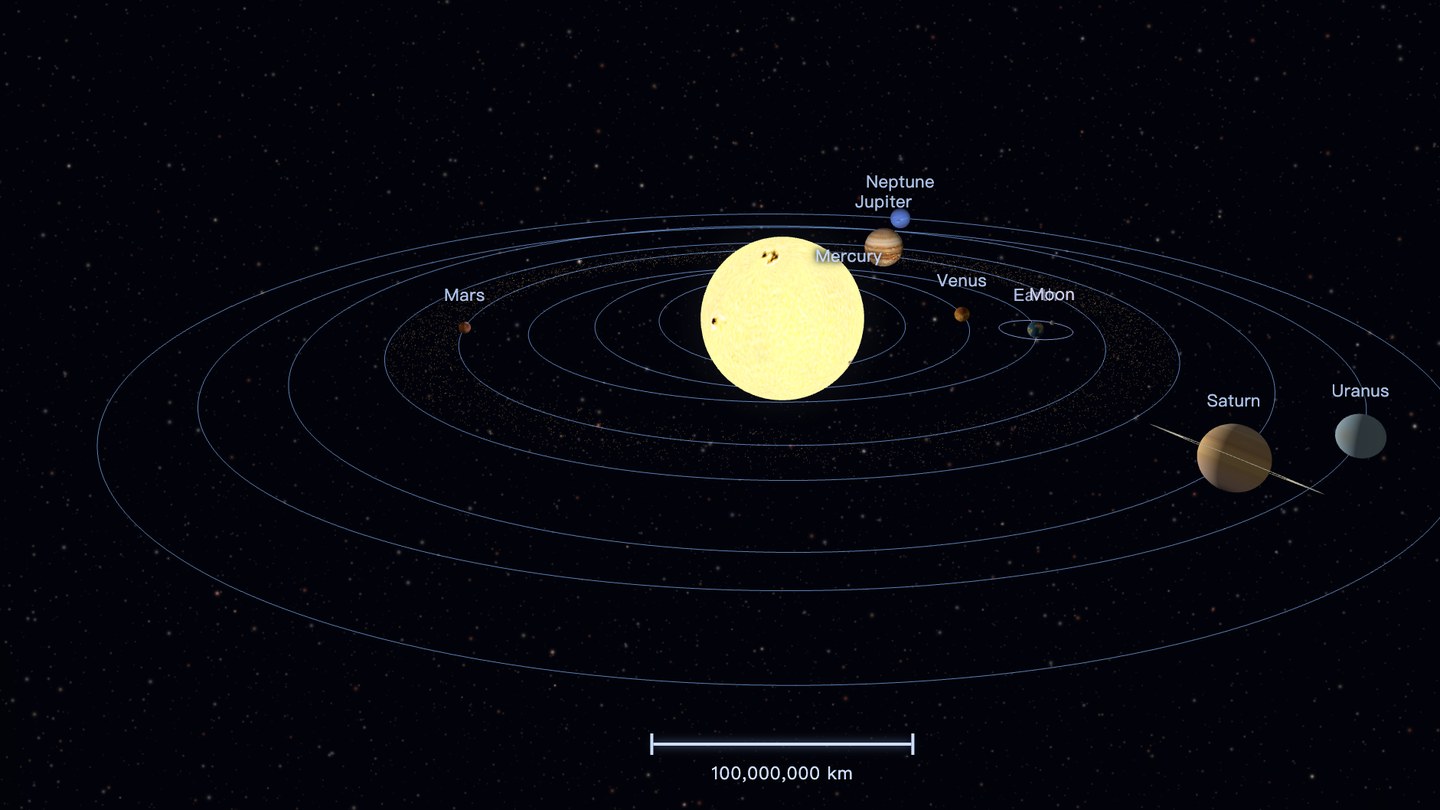 ◆
◆The solar system laid out at true AU scale inside the nearby stars of the HYG catalog, with free flight and per-planet facts.
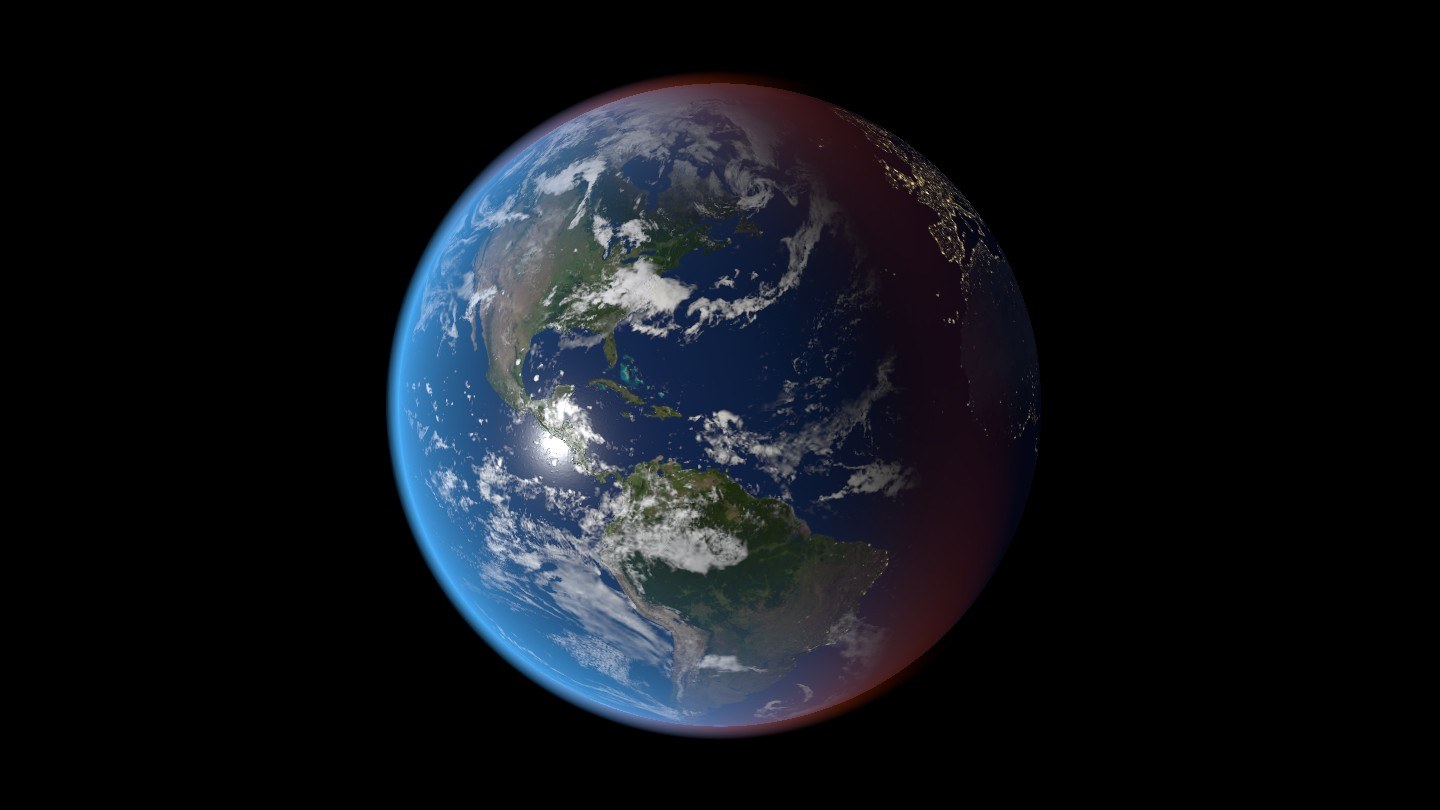 ◆
◆A procedurally shaded Earth written in three.js TSL: day/night terminator, drifting clouds and atmospheric rim scattering.
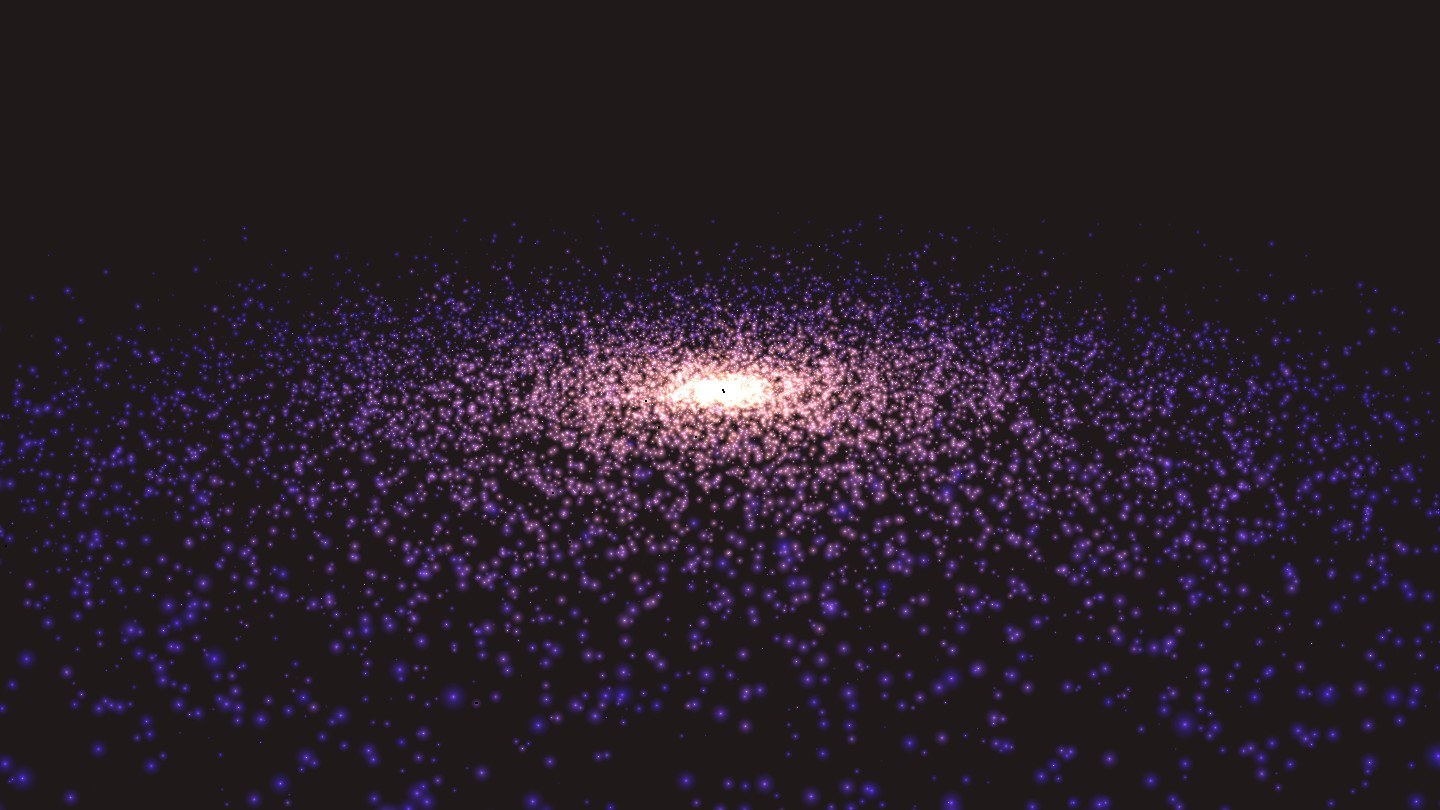 ◆
◆A nebula particle galaxy computed with TSL: particles distributed procedurally into spiral arms, dust lanes and a glowing core.